Digital Stethoscope Comparison 2026: Skeeper SM-300 vs. Littmann CORE Digital vs. Eko CORE 500
Anyone shopping for a digital stethoscope in 2026 quickly runs into the same three names. 3M's Littmann CORE Digital is the clinical incumbent — the stethoscope generations of clinicians trained on, now digitized. Eko's CORE 500 is the AI-forward challenger that put machine-learning murmur detection into a stethoscope form factor and became the reference point for cardiac AI. And the Skeeper SM-300 is the option built specifically for telemedicine teams, not just individual clinicians. All three are capable devices. The right choice depends less on which one sounds best in isolation and more on how — and where — you actually use it.
How to evaluate a digital stethoscope
Before comparing brands, it helps to break the decision into the variables that actually differentiate these devices in practice:
- Connection type — Bluetooth streaming vs. wired USB vs. hybrid, and how that affects latency during a live consultation.
- Amplification and noise reduction — how much the device boosts faint heart/lung sounds and filters ambient noise, especially relevant in busy clinics or home-visit settings.
- AI analysis — whether the device offers on-device or cloud-based anomaly/murmur detection, and how that assists (not replaces) clinical judgment.
- Platform integration — whether the stethoscope is a standalone recording tool or natively part of a broader telemedicine workflow (video, ECG, vitals, patient record).
The first three variables are where Littmann and Eko compete directly and well. The fourth — platform integration — is where the comparison changes shape entirely for telemedicine buyers.
Littmann CORE Digital: the clinical reference point
Littmann's CORE Digital carries decades of acoustic engineering credibility. For clinicians who grew up on Littmann analog scopes, the digital version is a natural, trusted upgrade path, and its amplification and noise-reduction performance remains a benchmark other vendors are measured against. It is, first and foremost, an excellent standalone clinical stethoscope.
Eko CORE 500: the AI-forward challenger
Eko's CORE 500 pioneered AI murmur detection in a stethoscope form factor, and it remains one of the most recognized names in cardiac AI auscultation. For clinicians who want algorithmic support layered onto a high-quality acoustic core, Eko built the category. Like Littmann, it is designed and sold primarily as a standalone clinical instrument — exceptional at what it does in a single exam room.
Where the Skeeper SM-300 fits
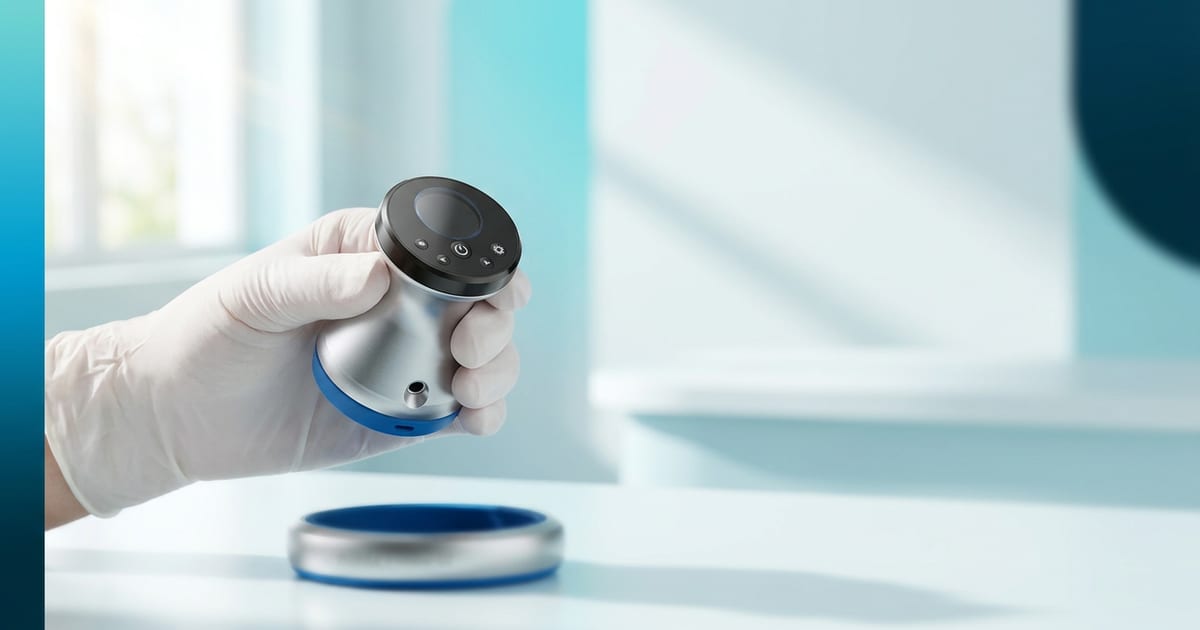
The Skeeper SM-300 is a professional digital stethoscope with AI-assisted anomaly and murmur detection — the same category of capability that makes Eko's CORE 500 compelling. But the SM-300's defining feature isn't the algorithm; it's that the device is natively integrated into the MedConnect telemedicine platform. That is the key differentiator versus both Littmann and Eko, which remain excellent standalone clinical instruments but are not built as part of an integrated telemedicine software suite.
In practice, that means the SM-300 streams heart and lung sounds live to the remote physician during the teleconsultation itself — alongside the video feed, ECG trace, and other connected vitals, all in one session, on one screen. A remote doctor isn't reviewing a stethoscope recording after the fact or toggling between disconnected apps; they're listening in real time as part of the same consultation where they're also watching the patient and reading the other diagnostic feeds. For a nurse-led teleconsultation cart or a remote clinic, that workflow integration matters as much as raw acoustic fidelity — arguably more, since a superb recording that a physician has to hunt for in a separate app adds friction exactly when speed matters.
To be clear: this isn't a claim that the SM-300 outperforms Littmann or Eko acoustically. Both are well-regarded, capable devices, and clinicians who already trust one of those ecosystems have good reason to. The distinction is architectural — Littmann and Eko are built to be the best stethoscope in the room; the SM-300 is built to be the best stethoscope in a connected telemedicine exam.
Evaluating a digital stethoscope for live telehealth?
Review the Skeeper SM-300 configuration and ask our team to confirm the platform, connectivity, and equipment combination for your clinical workflow.
See the Skeeper SM-300 setup · Request configuration and pricing
How much does a digital stethoscope cost?
Pricing for digital stethoscopes varies by configuration — connectivity option, AI features included, and whether it's purchased standalone or as part of a broader telemedicine equipment bundle. For current Skeeper SM-300 pricing and configuration options, see the Skeeper SM-300 product page, or browse the full digital stethoscope category to compare configurations side by side.
Frequently asked questions
Is the Skeeper SM-300 better than the Littmann CORE Digital? "Better" depends on the use case. Littmann's CORE Digital is an excellent standalone clinical stethoscope with a strong acoustic pedigree. The SM-300's advantage is specific to telemedicine: native integration with the MedConnect platform so audio streams live to the remote clinician during a consultation, not as a separate step.
How does the Skeeper SM-300 compare to the Eko CORE 500 for AI murmur detection? Both devices offer AI-assisted anomaly/murmur detection. Eko CORE 500 pioneered the category as a standalone clinical tool. The SM-300 offers similar AI-assisted detection but is built to be used inside a connected telemedicine workflow rather than as an isolated device.
Can I use a Littmann or Eko stethoscope with a telemedicine platform? Both are capable, well-built devices, but they are designed as standalone clinical instruments rather than components natively built into a telemedicine software platform. Integrating them into a remote-consultation workflow typically requires additional software or manual steps that a natively integrated device avoids.
What makes a digital stethoscope suitable for telemedicine specifically, rather than general clinical use? The key factor is workflow integration — whether audio streams live to a remote clinician alongside video, ECG, and other vitals in a single consultation session, versus being recorded for later review in a separate app. This is the axis the Digital Stethoscope Buyer's Guide covers in more depth.
Does AI anomaly detection replace a clinician's diagnosis? No. AI-assisted detection on devices like the Skeeper SM-300 or Eko CORE 500 is designed to support clinical judgment by flagging potential anomalies for review, not to provide an autonomous diagnosis.
For a broader look at connection types, amplification, and general feature comparisons across the digital stethoscope category, see our Digital Stethoscope Buyer's Guide 2026. To see how the SM-300 fits into a full remote-consultation setup, visit the MedConnect telehealth platform page, or go straight to the Skeeper SM-300 product page for specifications and configuration options.
Ready to discover MedConnect?
Request a personalized demo and see how the platform adapts to your practice.
Request a demo