Remote monitoring in chronic disease management: focus on diabetes and hypertension
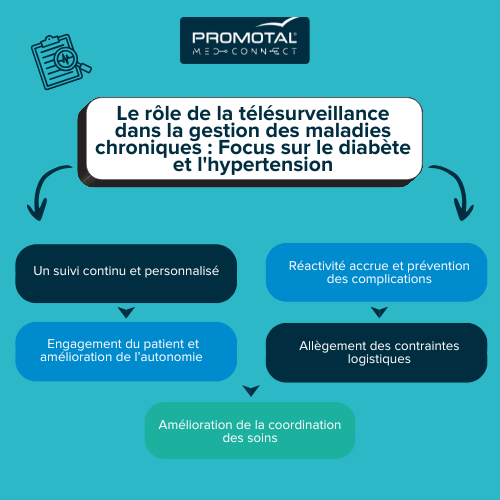
The role of remote monitoring in chronic disease management: focus on diabetes and hypertension
Managing chronic diseases such as diabetes and hypertension is a major challenge for healthcare professionals. These conditions call for regular, precise follow-up and ongoing treatment adjustment. In this context, remote patient monitoring has become an essential tool to improve patient care and prevent complications. With today's technology, you can track critical health parameters remotely and act quickly when something looks wrong, without requiring frequent in-person visits.
I. Continuous, personalized follow-up
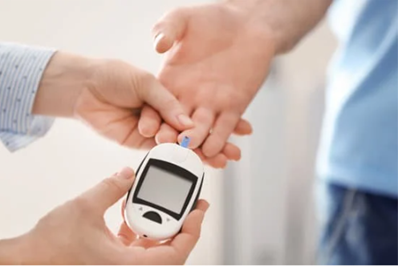
Remote monitoring enables continuous follow-up of patients living with chronic conditions. In diabetes, for example, connected devices such as glucometers automatically send blood glucose readings to a clinical platform.
For hypertension, connected blood pressure monitors regularly transmit blood pressure values. You can then review this data, monitor trends remotely and quickly spot any deviation from target values.
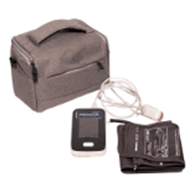
This approach supports proactive management of diabetes and hypertension. With access to up-to-date, real-time data, you can adjust treatment more precisely, which helps stabilize the patient's condition. This matters most for preventing long-term complications, such as stroke in hypertensive patients or kidney and cardiovascular complications in patients with diabetes.
II. Faster response and complication prevention
One of the main strengths of remote monitoring is its ability to alert you when something is abnormal. When a hypertensive patient shows significant swings in blood pressure, or a patient with diabetes has glucose readings outside the set thresholds, the system can flag it immediately. You can then contact the patient, assess the causes of the imbalance (diet, physical activity, stress) and adjust treatment accordingly.
This responsiveness significantly lowers the risk of serious complications. In diabetes, for instance, persistent hyperglycemia can be corrected quickly before it causes target-organ damage to the kidneys or eyes. Likewise, in hypertension, a sudden rise in blood pressure can be brought under control before it leads to a stroke or heart failure. Remote monitoring therefore supports safe care that is tailored to each patient's needs.
III. Patient engagement and greater autonomy
An indirect benefit of remote monitoring is patient empowerment. By actively involving patients in managing their condition through the daily use of connected devices, they become more aware of their health status and of the factors that affect their well-being. This awareness encourages healthier habits, particularly around diet, physical activity and treatment adherence.
A patient with diabetes, for example, who can see their glucose readings on a dedicated platform is better able to understand how diet or exercise affect their blood sugar. For a hypertensive patient, remote monitoring helps pinpoint the critical times of day and adapt their lifestyle accordingly. This active involvement in their care pathway supports effective, sustainable management of chronic diseases.
IV. Fewer logistical burdens
Frequent office visits to monitor chronic conditions can be a burden for both patients and physicians. Remote monitoring eases that load by limiting in-person appointments to situations that require a physical examination or a specific intervention. Patients can stay at home while still receiving high-quality medical follow-up, which improves their comfort and quality of life.
This is especially valuable for people with reduced mobility or those living in rural areas far from medical centers. Remote monitoring lets them stay in regular contact with their care team without traveling. For you, remote monitoring makes better use of consultation time, so you can focus on complex cases while maintaining regular remote follow-up.
V. Better care coordination
Remote monitoring also fits into a broader care coordination approach. Data collected through connected devices is centralized on a digital platform that every healthcare professional involved in the patient's follow-up can access. This improves communication between practitioners (general practitioners, diabetologists, cardiologists, nurses) and ensures optimal continuity of care.
For a patient with both diabetes and hypertension, for example, remote monitoring allows the endocrinologist and the cardiologist to share relevant information instantly, making coordinated care easier. This synergy between care providers enables faster treatment adjustments, less duplication and holistic patient care.
Conclusion
Remote monitoring has become an indispensable tool in chronic disease management, particularly for diabetes and hypertension. It gives you a greater ability to respond quickly to abnormal readings, personalize care to each patient's needs and improve coordination between practitioners. For patients, remote monitoring is an effective way to manage their condition day to day while reducing the burden of medical appointments. At the heart of this approach, connected devices play a crucial role by delivering real-time data and strengthening patient engagement in their care pathway.
Ready to discover MedConnect?
Request a personalized demo and see how the platform adapts to your practice.
Request a demo