Remote pregnancy monitoring: which technologies should you use?
.png)
Remote pregnancy monitoring: which technologies should you use?
Remote pregnancy monitoring is becoming a standard part of modern medical practice, driven by the rise of telemedicine technologies and connected devices. For expectant mothers, especially those with high-risk pregnancies, these innovations make regular follow-up possible without repeated trips to the doctor's office. They add flexibility while protecting patients' safety and well-being. But which technologies are the most effective for monitoring a pregnancy remotely?
I. Pregnancy-specific mobile apps
Mobile apps have become a tool of choice for remote pregnancy monitoring. Many apps let patients follow the progress of their pregnancy in real time, access personalized advice, and log key data such as weight, blood pressure and heart rate. This information is then shared with healthcare professionals, who can use it to tailor consultations and give advice suited to each stage of the pregnancy.
Some apps can also pair with connected devices for even more precise tracking of health parameters. They often provide medication reminders, appointment alerts and information about how symptoms are evolving. With these platforms, expectant mothers become more involved in managing their pregnancy while staying in regular contact with their care team.
II. Connected devices for vital sign monitoring
Connected devices play an essential role in remote pregnancy monitoring. They collect real-time data on the patient's health and send it to healthcare professionals for review. In high-risk pregnancies, where close monitoring of vital signs is critical, these tools can make a real difference.
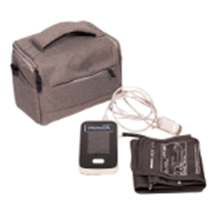
- Connected blood pressure monitors: Blood pressure is a key indicator to watch during pregnancy, particularly to prevent complications such as preeclampsia. Connected blood pressure monitors let patients measure their blood pressure regularly at home and send you the results instantly. If an abnormal reading is detected, an alert is triggered so action can be taken quickly.
- Fetal heart rate monitors: These devices make it possible to check the baby's heart rate at home. While they do not replace ultrasound scans, they offer a simple, practical way to confirm fetal well-being between appointments.

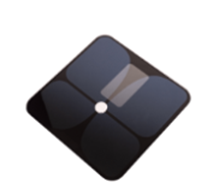
- Smart scales: Weight tracking is a key part of pregnancy monitoring. Abnormal weight gain can signal problems such as gestational diabetes or hypertension. Smart scales track weight changes and correlate them with other health parameters for more complete follow-up.
III. Teleconsultation and remote patient monitoring
Teleconsultation is one of the pillars of remote pregnancy care. It allows expectant mothers to have regular consultations with you or other healthcare professionals without traveling, which is especially valuable for those living in rural areas or with limited mobility.
Beyond simple consultations, remote patient monitoring plays an essential role in high-risk pregnancies. By integrating data from connected devices, it enables continuous monitoring of patients. You are alerted to anomalies and can intervene proactively. In gestational diabetes, for example, remote monitoring makes it possible to track blood glucose closely and adjust treatment in real time, reducing risks for both mother and child.
IV. Remote ultrasound and imaging
Medical imaging, and ultrasound in particular, is one of the most critical aspects of pregnancy follow-up. Although conventional ultrasound requires the patient to be physically present, innovations are beginning to emerge that make remote imaging possible.
- Portable ultrasound: Our Promotal MedConnect portable devices now allow patients to have ultrasound scans performed at home under your remote supervision. Although relatively new on the market, these devices are a step toward more accessible medical imaging, particularly for expectant mothers living in isolated areas. The images can then be sent directly to you through our secure platform.

Conclusion
Remote pregnancy monitoring relies on a combination of innovative technologies that, together, enable continuous and personalized follow-up. Connected devices, mobile apps, teleconsultations and advances in remote imaging make pregnancy care easier, especially for high-risk pregnancies. For you, these tools open new possibilities in pregnancy management, improving both the responsiveness and the quality of the care you provide. For expectant mothers, they offer reassurance: regular medical follow-up with far fewer logistical constraints.
Ready to discover MedConnect?
Request a personalized demo and see how the platform adapts to your practice.
Request a demo