
Managing gestational diabetes: the crucial role of telemedicine
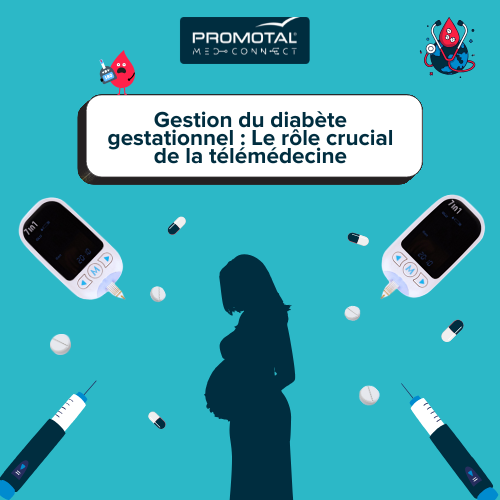
Managing gestational diabetes: the crucial role of telemedicine
Gestational diabetes, which develops during pregnancy, is a serious complication that requires close monitoring. Without appropriate care, it can lead to complications for both mother and baby, such as preterm birth, fetal macrosomia or an increased risk of developing type 2 diabetes after pregnancy. Telemedicine, combined with connected devices, has become a valuable ally for regular, tailored follow-up, while easing the travel and frequent monitoring burdens placed on patients.

I. Closer, tailored monitoring from a distance
Gestational diabetes requires constant monitoring of blood glucose to avoid any fluctuation that could compromise the health of the mother or the baby. With telemedicine, patients can send their glucose readings every day using connected glucometers.
You can access this data in real time, allowing rapid adjustments to dietary recommendations or treatment when needed.
This remote follow-up reduces the need for office visits while ensuring continuous, rigorous care. If glucose values drift or unusual symptoms appear, patients can have a remote consultation to assess the situation and act quickly. This helps prevent serious complications and reassures patients, who feel supported throughout their care journey.
II. Personalized, flexible support
Managing gestational diabetes often involves adjusting diet, physical activity and, in some cases, starting insulin therapy. Telemedicine makes it possible to personalize support to each patient's individual needs, taking into account her lifestyle and how her pregnancy is progressing. Remote consultations make regular exchanges easier with you and other healthcare professionals such as dietitians, so recommendations can be adapted in real time.
Telemedicine platforms can also include tracking tools and interactive questionnaires that let patients log their eating habits or physical activity levels. Combined with glucose readings, this information helps you provide tailored guidance without waiting for the next in-person appointment.
III. Fewer burdens and better quality of life
Pregnant women with gestational diabetes often face many medical appointments, which can be exhausting, especially late in pregnancy. Telemedicine eases these burdens by reducing travel and waiting times. Online consultations give patients regular follow-up without leaving home, which is particularly helpful for those living in rural areas or with limited mobility.
This flexibility improves patients' quality of life, helping them balance personal and professional commitments with their medical follow-up. Automated reminders sent by the telemedicine platform for glucose checks or appointments also strengthen treatment adherence, preventing missed checks that could affect diabetes control.
IV. A key role in postpartum prevention
Gestational diabetes follow-up does not end at delivery: women who have had this condition face an increased risk of developing type 2 diabetes later in life. Telemedicine can play an important role in postpartum follow-up by maintaining regular glucose monitoring and supporting patients as they adopt healthy habits.
Remote consultations make it possible to continue follow-up without adding new burdens, helping new mothers stay engaged in their health after giving birth. By supporting regular, proactive follow-up, telemedicine helps reduce the risk of recurrence and prevent the onset of chronic diabetes.
Conclusion
Telemedicine is a valuable solution for optimizing gestational diabetes management. By enabling real-time monitoring, personalized support and fewer logistical burdens, it improves both the effectiveness of care and patients' quality of life. With connected devices and remote consultations, you can intervene quickly when needed, adjust treatment and prevent potential complications.
This connected approach ensures rigorous yet flexible follow-up during pregnancy and a smooth transition to postpartum care. By integrating telemedicine into the care pathway for pregnant women, it is possible to offer modern, responsive care tailored to each situation, contributing to the long-term health of mothers and their children.
Ready to discover MedConnect?
Request a personalized demo and see how the platform adapts to your practice.
Request a demo