High-risk pregnancy monitoring: telemedicine and connected devices as early-warning tools
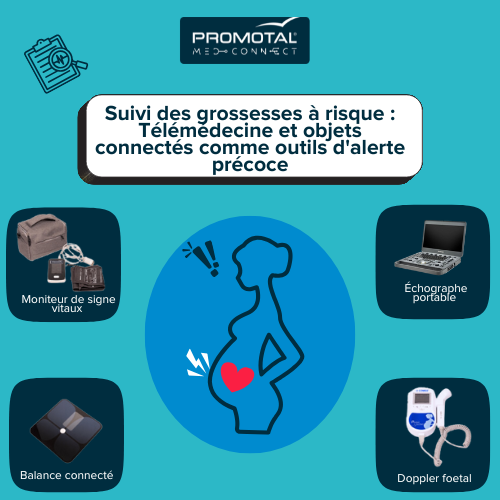
High-risk pregnancy monitoring: telemedicine and connected devices as early-warning tools
Monitoring high-risk pregnancies is a major challenge in obstetrics. Conditions such as high blood pressure, gestational diabetes, preeclampsia or a history of obstetric complications call for heightened vigilance. Telemedicine, combined with connected devices, enables proactive monitoring of these fragile pregnancies by giving you real-time information. This innovative approach improves early detection of warning signs and optimizes care, while easing the burden on patients.
I. Closer, real-time monitoring
High-risk pregnancies require frequent check-ups to prevent or quickly detect any complication. Telemedicine, combined with connected devices such as blood pressure monitors, glucometers or fetal heart rate monitors, lets patients measure their vital signs at home. The data collected is automatically sent to you through a secure platform, making continuous monitoring straightforward.
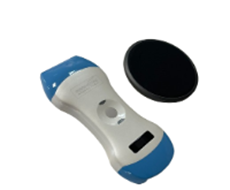
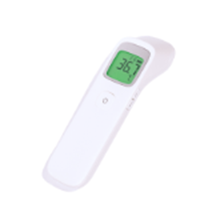
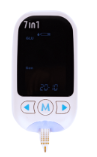
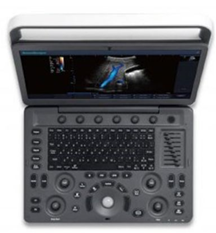
With this real-time follow-up, it becomes possible to spot warning signs immediately, such as an abnormal rise in blood pressure or deteriorating glycemic control. You can then respond quickly by adjusting treatment or scheduling a follow-up consultation, preventing the situation from worsening and avoiding an unnecessary trip to the emergency room.
II. Proactive detection of complications
High-risk pregnancies, especially those threatened by conditions such as preeclampsia or fetal growth restriction (FGR), demand rapid response. Connected devices play a key role here by providing an early warning when abnormalities are detected. A connected blood pressure monitor, for example, can pick up worrying blood pressure fluctuations, and a fetal sensor can flag a change in the baby's heart rate.
These tools help prevent complications before they become critical. The ability to intervene quickly is essential to avoid preterm births or emergency hospitalizations.
III. Personalized, lighter-touch care
Every high-risk pregnancy is unique and requires ongoing adjustment of follow-up. With telemedicine, you can tailor the frequency of consultations to each patient's specific needs. During stable periods, in-person appointments can be spaced out, with remote follow-up via telemedicine in between. When complications arise, consultations can be stepped up without requiring frequent travel.
Patients can also receive tailored support such as dietary advice, exercise programs or specific medical instructions, delivered directly through the platform. This flexibility improves the care experience and supports adherence to medical follow-up.
IV. Less burden on patients
Pregnant women, particularly those facing complications, often have to juggle medical appointments with the demands of daily life. Telemedicine reduces this burden by limiting the need to travel to healthcare facilities, which is especially helpful for those living in rural or remote areas.
Remote consultations make it possible to stay in regular contact with the care team without interrupting personal or professional life. They also save valuable time for expectant mothers, letting them focus more on their own well-being and that of their baby.
V. Better coordination among healthcare professionals
High-risk pregnancy care often involves close collaboration among several professionals: obstetricians, midwives, dietitians and general practitioners. Telemedicine supports this coordination by centralizing all patient data on a single platform. You can share observations and adjust the care plan in real time, ensuring seamless continuity of care.
Tele-expertise (remote specialist consultation) is another asset in complex cases. It lets the obstetrician quickly request the opinion of a specialist, such as a cardiologist or endocrinologist, without an additional in-person visit. This efficient collaboration means potential complications are better anticipated and met with a fast response when needed.
Conclusion
Telemedicine and connected devices are transforming high-risk pregnancy care by providing continuous, responsive and personalized monitoring. By enabling early detection of abnormalities, better care coordination and less burden on patients, this approach improves both the quality of care and the patient experience.
In a context where vigilance is essential to a safe pregnancy, telemedicine is establishing itself as an innovative, effective solution.
It allows you to intervene at the right time and in a targeted way, giving expectant mothers safe, high-quality follow-up from pregnancy through delivery.
Ready to discover MedConnect?
Request a personalized demo and see how the platform adapts to your practice.
Request a demo